Los Angeles is the first CRANEFORMERZ city. Lifting, placement and material
handling with premium knuckle-boom equipment, and the network is opening city by city.
Precision lifting where a conventional crane will not fit.
LIFTING & PLACEMENT
Setting equipment, HVAC units, steel and materials into position, including over
obstacles and into tight urban sites.
MATERIAL HANDLING
Loading, unloading and site delivery with a truck-mounted knuckle boom. Reach without
needing a full crane setup.
AWKWARD JOBS
Restricted access, limited street frontage, difficult angles. If it is hard to reach,
it is worth asking.
OUR FLEET
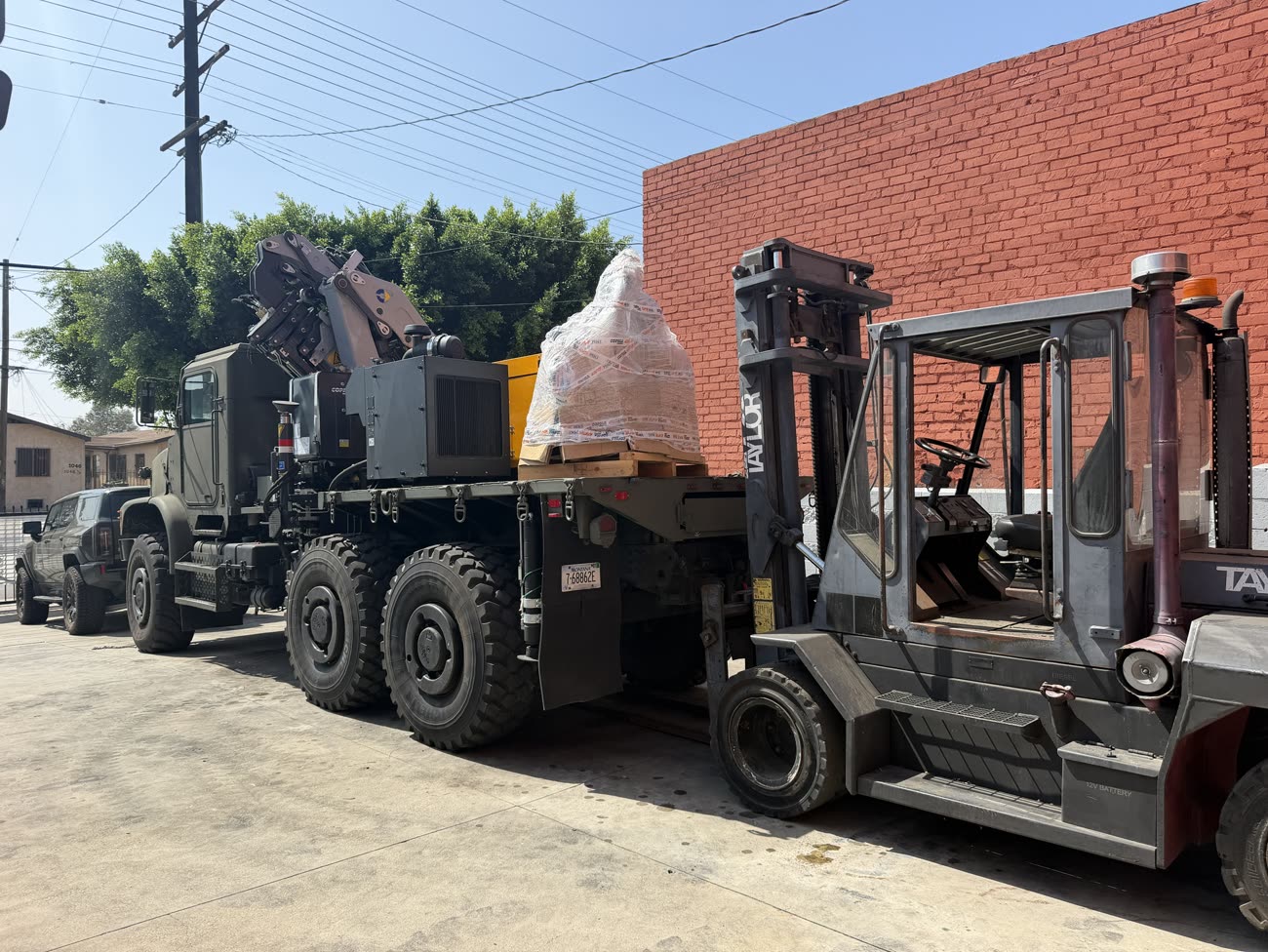
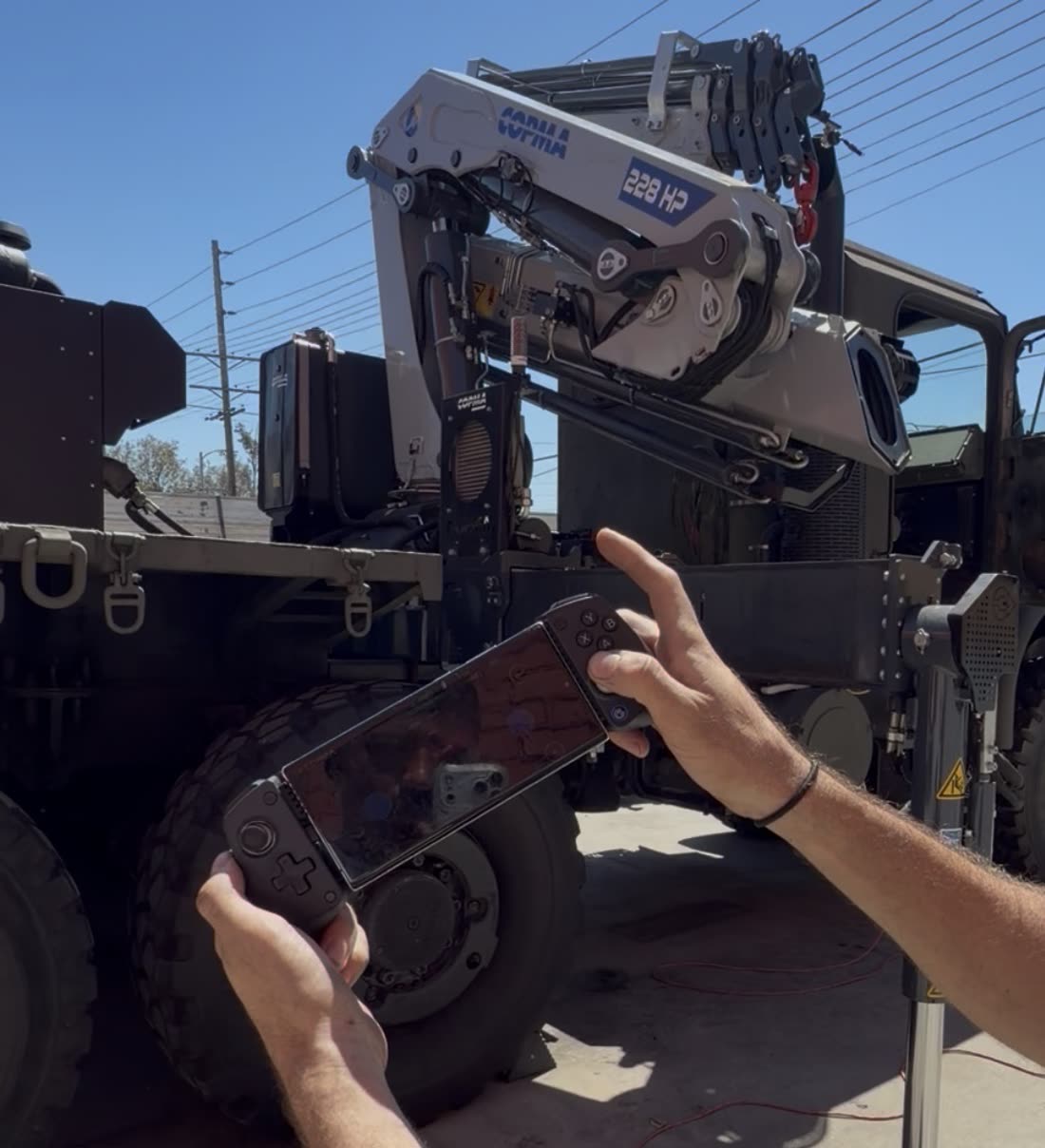
Real machines, real jobs. A COPMA knuckle boom on an all-terrain chassis.
The crane is a COPMA 228 HP.4J4. 190 kNm, around 19.4 t/m.
63 feet of hydraulic reach, 420 degrees of slew, and 8 feet
2 inches folded.
What that means for your job: out at the full 63 feet it takes roughly
950 to 1,900 lb. Close in it takes several tons. Folded to
8 ft 2 in it gets down an alley, through a gate and under a parking structure
that a conventional crane cannot enter, and 420 degrees of slew means it works
most of the way around itself without repositioning the truck.
Send us the weight and how far it is from where the truck can park, and we
will tell you yes or no before anybody books anything.
LIFTING ON OUTRIGGERS · LOS ANGELESCOPMA 228 HP.4J4 · 190 kNm · 63 FT REACH
HEAVY RECOVERY & OFF-ROAD
We drive onto ground a road truck cannot, pull it out, and hand it off ready to tow. Los Angeles.
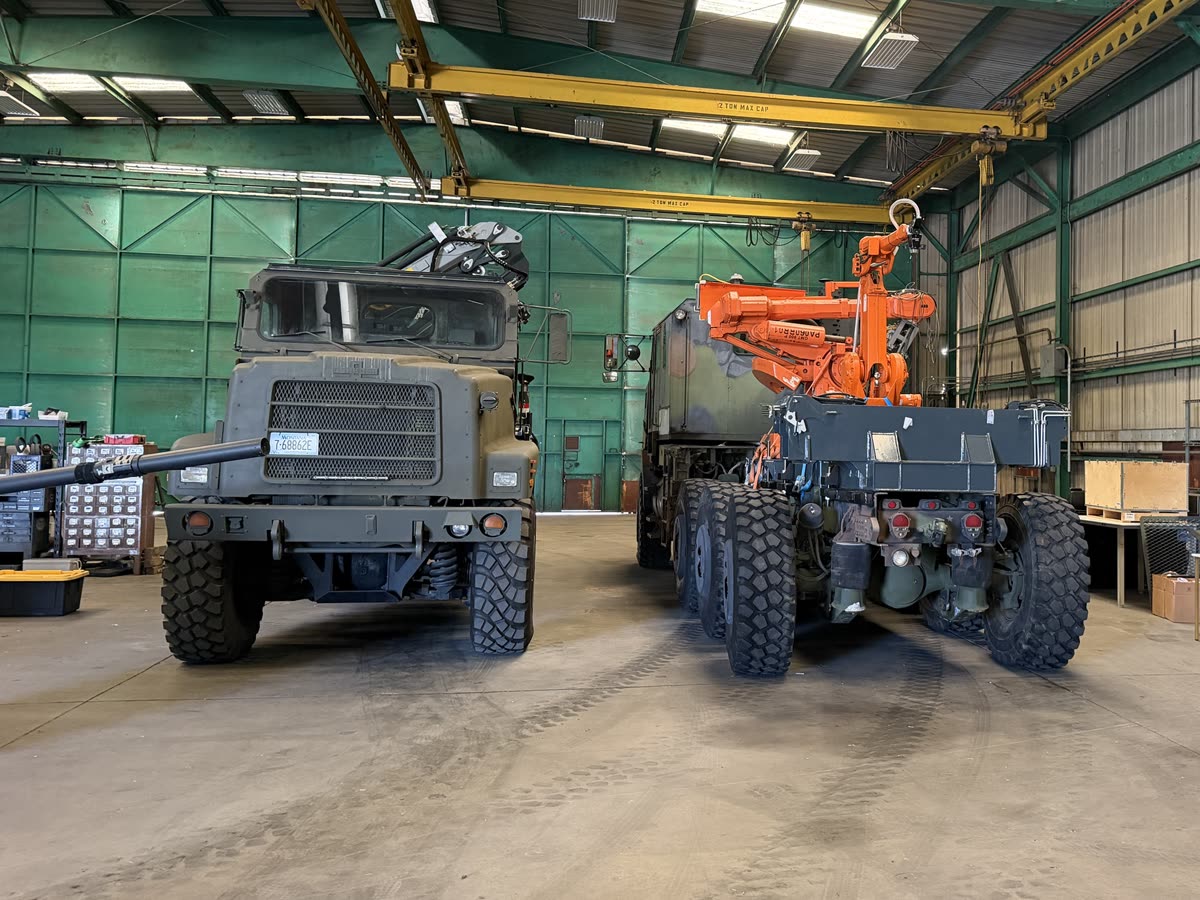
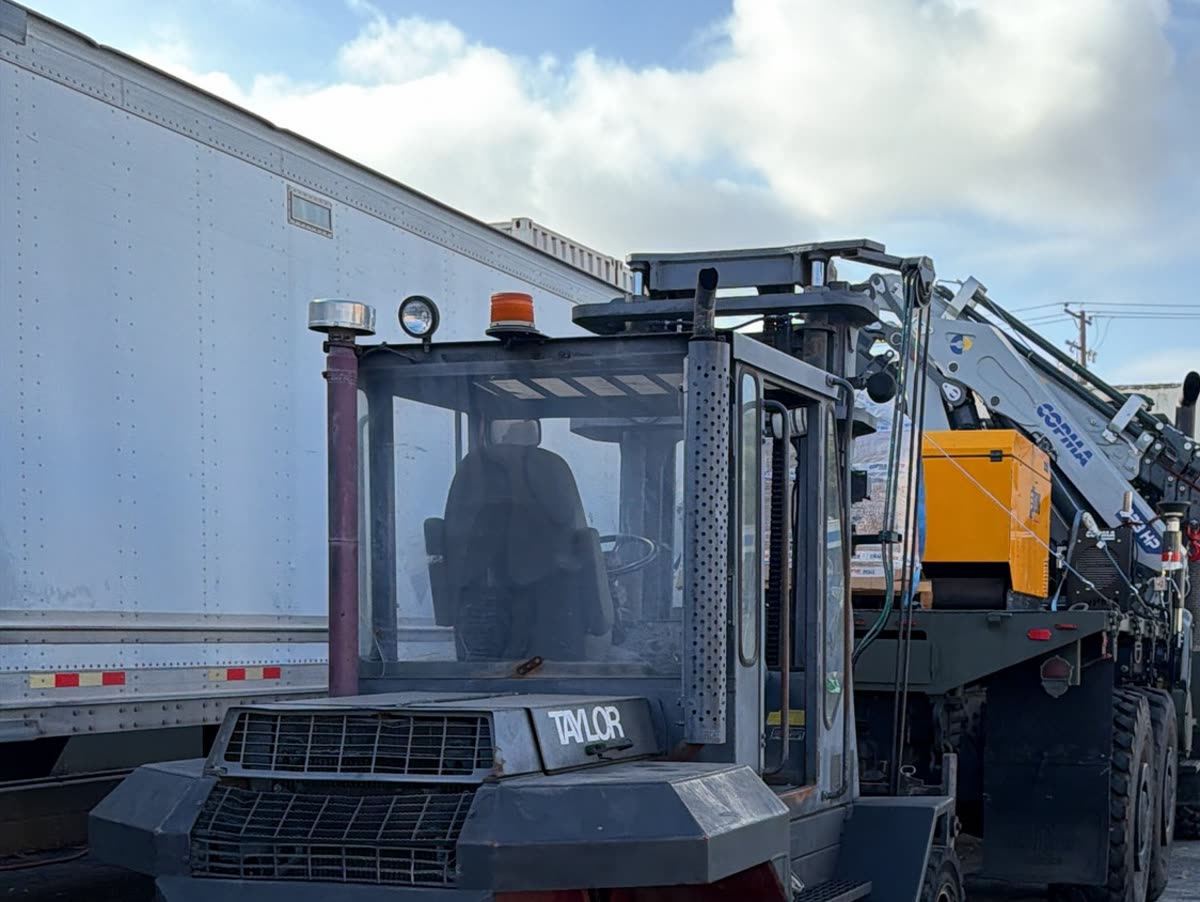
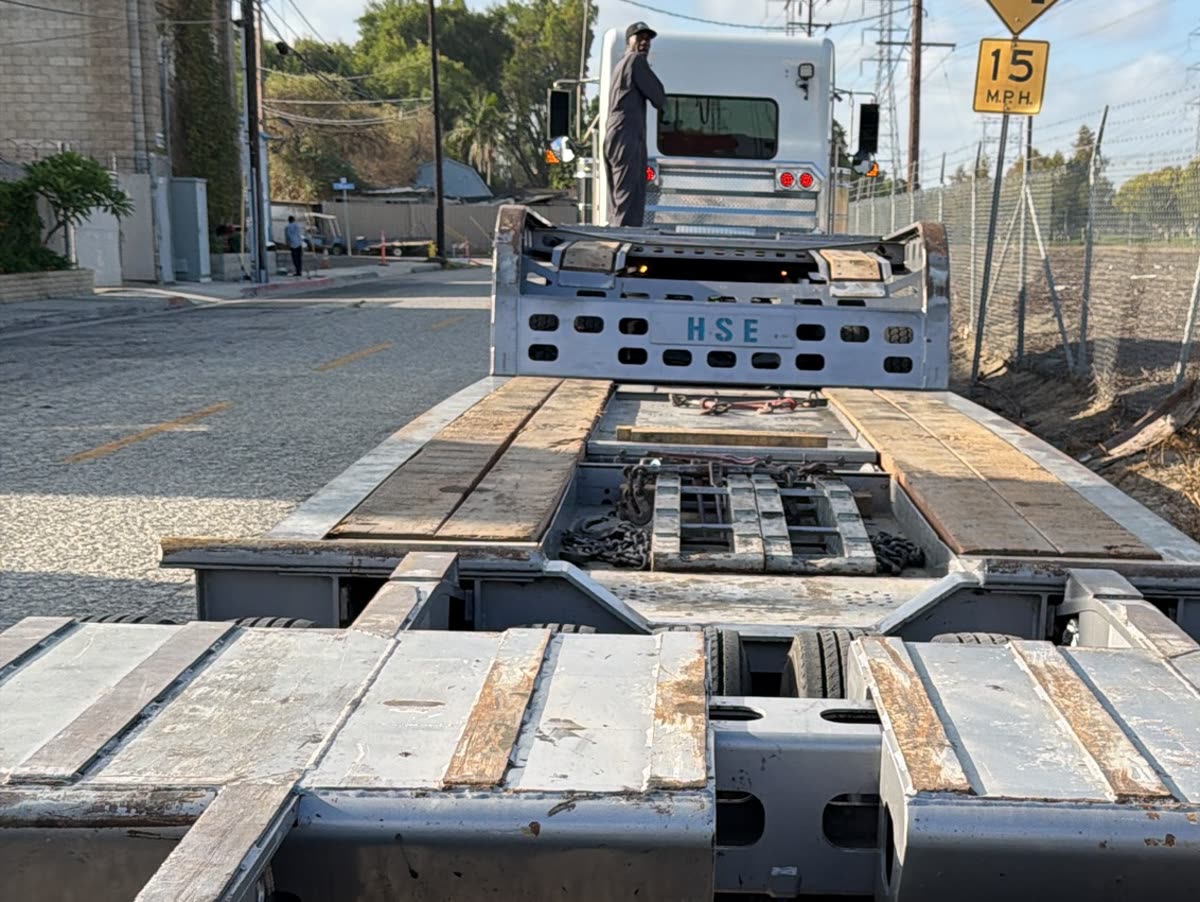
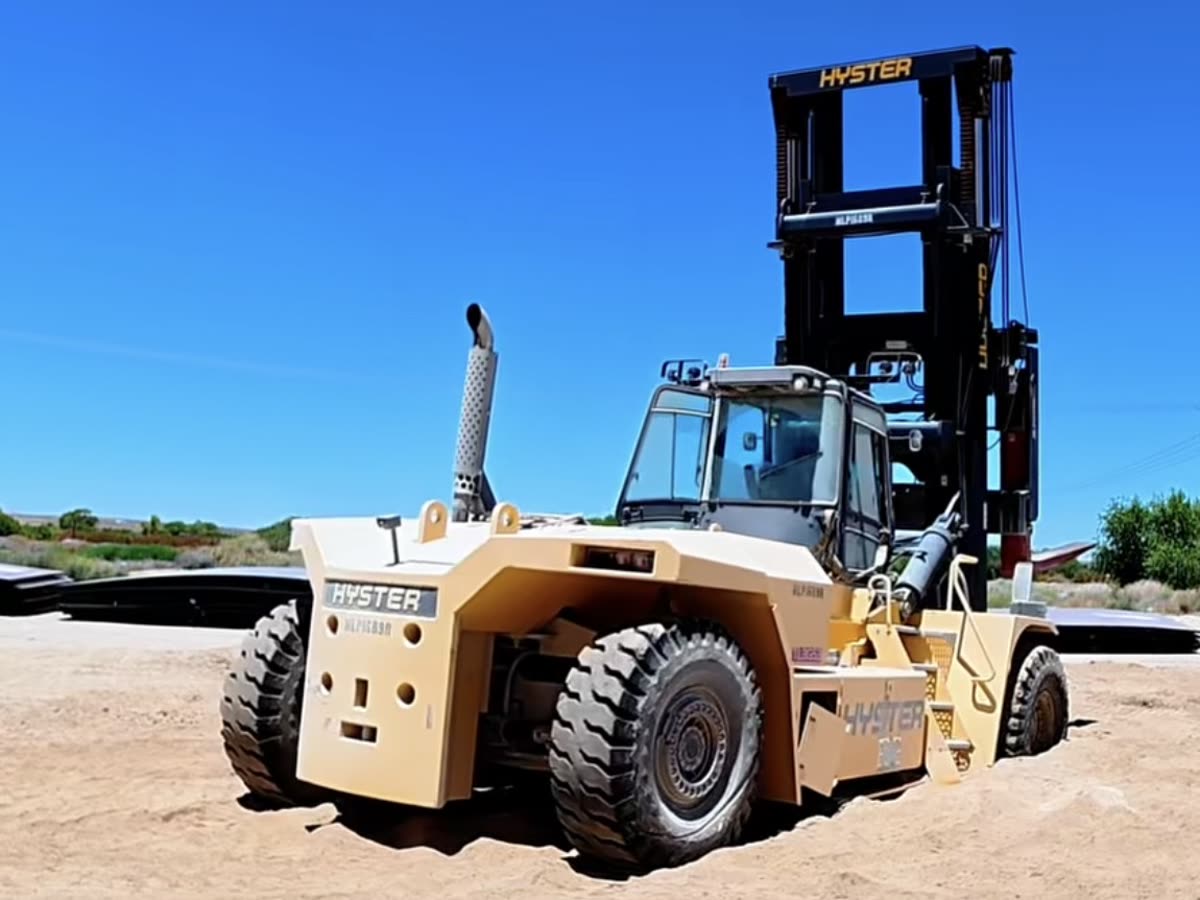
OUR FACILITY · HET AND COPMA IN THE SHOPM1070 HET · 8x8 · LOS ANGELESLOADED OUT ON A LOW-BEDTAYLOR FORKLIFT · OUR YARDLOADING OUT · CRANE TRUCK AND FORKLIFTLOW-BED · DECK DOWNTHE KIND OF MACHINE WE GET CALLED FOR
Our recovery truck is an M1070 HET, the 8x8 the US Army
built to move main battle tanks. Five hundred horsepower, eight driven wheels
and forty-one thousand pounds of tractor sitting on them.
That weight is the point. Pulling a stuck machine is a traction problem
before it is a horsepower problem, and most trucks run out of grip long
before they run out of engine. Alongside it we run a forklift for anything
that has to be lifted and carried rather than dragged.
Off-road, the hard part is reaching it. Most recovery
trucks are road trucks: they arrive, look at the ground, and stop at the edge
of it. Ours is an eight-wheel-drive military chassis with the ground clearance
and the axles to drive onto dirt, sand, graded lots and fire roads and get
close enough to hook up. Site work, quarries, ranches, construction pads and
desert lots are exactly what it was built for.
What we do: drag out loaded trailers, dead equipment and
machines bogged in dirt or sitting on a grade they cannot climb.
And once it is out, the handoff is your call. We either
pull or drive it onto our own low-bed and deliver it, or set it on firm
ground for your own tow operator to take the on-road leg, which is the point
a road truck can finally do its job. One call can cover both ends, or just
the part only we can do: driving onto the bad ground and getting it out. The
same hookup limit applies getting it onto the deck.
One limit, so nobody wastes a call: the truck carries no
winch. We pull on a hookup, which means the machine has to be reachable and
able to roll or skid. If it needs lifting rather than dragging, that is the
crane's job, and we have one of those too.
We run our own shop. The trucks are maintained in our own
South Gate shop with overhead gantry cranes, not parked on a street and
fixed in a parking lot. It is the difference between a machine that turns up
and a machine that turns up working.
PRECISE CONTROL
The operator stands where the load is, not in a cab fifty feet away.
HANDHELD PROPORTIONAL CONTROL
The COPMA is run on proportional radio control. Not on-off switches:
every axis moves as fast or as slow as the stick is pushed, so the last
inch of a placement is as controlled as the first foot.
It means the person flying the boom is standing next to the load, with
eyes on the gap, instead of looking across a yard from a seat. On a tight
set, where the thing is going down between a wall and a parked car, that is
the whole job.
We also build robotics. CRANEFORMERZ is run by the same people
developing drive-by-wire autonomy for this class of machine, which is why
the electronics on our crane get more attention than the paint. That work
is in development, not something we are selling yet. What you get today is
a very precisely controlled boom and an operator who can see what he is
doing.
The video below is our own system, COPMA OVERRIDE, running on this
crane.
COPMA OVERRIDE · drive by wire
autonomy for hydraulic knuckle boom cranes. Our own development work.
Tell us the machine, the surface and how it got there, and we will tell you
straight whether we can move it.
WHICH MACHINE DOES YOUR JOB NEED?
Three machines, three different jobs. Pick by what has to happen to the load.
What each machine is for, and when it is the wrong choice.
If the load has to be
Machine
What it handles
When it is the wrong tool
Lifted over something a wall, a fence, a parapet, a parked car
COPMA 228 HP.4J4 knuckle boom
63 ft of hydraulic reach, 420 degrees of slew. Several tons close in, about 950 to 1,900 lb out at full reach. Folds to 8 ft 2 in for alleys and parking structures.
If it is heavier than the reach chart allows at that distance. Weight and distance decide it together, never weight alone.
Lifted and carried across a yard, onto a deck
Taylor forklift
Palletized and crated loads, yard moves, loading out. Anything that needs carrying rather than booming over an obstacle.
If it has to clear a wall or reach a roof. A forklift cannot go over things.
Dragged out, then hauled stuck, dead, bogged, on a grade
M1070 HET 8x8 and low-bed
500 hp and 41,000 lb of tractor on eight driven wheels. Drives onto dirt, sand, graded lots and fire roads to reach the machine and pull it to firm ground. From there your tow operator takes it, or we low-bed it the rest of the way.
If the machine cannot roll or skid. There is no winch: we pull on a hookup, so it has to be reachable and able to move.
WHY CHOOSE US RATHER THAN A CRANE RENTAL
We answer yes or no before you book. Send the weight and the
distance from where a truck can park. If the job is outside the chart we say so
on the spot instead of selling you a site visit.
We do the part only we can do. We get onto the bad ground and
pull the machine to where a road truck can finally work. From there your own tow
operator takes the on-road leg, or we low-bed it the rest of the way. One booking
either way.
The boom folds to 8 ft 2 in, which is most of why people call.
It gets into alleys, through gates and under parking structures where a
conventional crane cannot go at all.
The highest capacity is close in, and we will tell you where your load
falls. A knuckle boom trades capacity for reach across its whole range,
so we quote against the chart rather than a headline number.
The operator stands next to the load. Handheld proportional
radio control, not on-off switches and not a cab fifty feet away. The last inch
of a placement is as controlled as the first foot.
Most recovery trucks are road trucks. Ours is not. Eight-wheel
drive on a military chassis, so dirt, sand, graded pads and fire roads are
drivable rather than the point where the truck stops and looks at the ground.
We run our own shop. The trucks are maintained in our own South Gate
shop with overhead gantry cranes, which is the difference between a machine
that turns up and a machine that turns up working.
No phone queue. The quote form and
quotes@craneformers.io reach the
people who own the machines.
THE DRAWBACKS, STATED UP FRONT
Four jobs we are the wrong call for. Better you read it here than find out on site.
Nothing that has to be winched. The HET carries no winch at
all. We pull on a hookup, so a machine that cannot roll or skid, or that a truck
cannot physically get to, is not a job we can take.
Heavy loads at long reach. Out at the full 63 feet the crane
takes roughly 950 to 1,900 lb. If your load is a ton and it has to go 60 feet
out, the answer is no and you want a conventional crane.
Anything needing a certified lift plan or a signed engineering
sign-off. We do not hold those credentials, so if your site or your
insurer requires them, we are not the right outfit for that lift.
Work outside Los Angeles County. Los Angeles is the only
CRANEFORMERZ city open today. Other cities are coming through the franchise
network, but we will not quote a job we would have to drive a day to reach.
REQUEST A QUOTE
The more you tell us about the lift, the more accurate the number.
We do not publish a phone number, it
just fills with spam. Leave yours and we call back. Or email us directly at
quotes@craneformers.io.
QUESTIONS WE GET ASKED
The real ones, answered straight, including the job we have to turn down.
Can you lift an HVAC unit onto a one or two storey roof?
Yes. That is the common job for this machine. The boom has 63 feet of hydraulic
reach, so it can set a unit over a parapet onto a one or two storey roof from the
street or the parking lot without a full crane setup. Send the unit weight and how
far the roof is from where a truck can park, and we will confirm before anybody
books.
How much can the crane lift?
It depends entirely on distance, not on a single headline number. Close in to the
truck it takes several tons. Out at the full 63 feet it takes roughly 950 to 1,900 lb.
A knuckle boom trades capacity for reach along its whole range, so the only honest
answer needs the weight and the distance together.
Will the truck fit down an alley or through a gate?
Folded the crane stands 8 ft 2 in, which gets it down an alley, through a standard
gate and under a parking structure that a conventional crane cannot enter. With 420
degrees of slew it then works most of the way around itself without repositioning the
truck.
Can you recover a machine stuck off-road, in dirt or sand?
Yes, and reaching it is the part most recovery outfits cannot do. Our recovery
truck is an M1070 HET: an eight-wheel-drive military chassis with the clearance and
axles to drive onto dirt, sand, graded lots and fire roads rather than stopping at the
edge of them. Site work, quarries, ranches, construction pads and desert lots are what
it was built for.
Do you have a winch on the recovery truck?
No, and we say so up front so nobody wastes a call. The HET carries no winch. We
pull on a hookup, which means the machine has to be reachable and able to roll or
skid. If it needs lifting rather than dragging, that is the crane's job, and we have
one of those too.
Can you transport the machine after you pull it out?
Yes, if you want us to. The default is simpler: we pull the machine to firm ground
and your own tow operator takes the on-road leg, the part a road truck can finally do.
If you would rather we handle both ends, we pull or drive it onto our low-bed and
deliver it. The hookup limit still applies: there is no winch, so the machine has to
roll or skid onto the deck.
Can you set a spa, a solar array or a sign over a wall or a fence?
Yes. Placing a load over an obstacle and down into a space with no vehicle access
is what the knuckle boom is for. Backyard spa drops behind a wall, rooftop and
ground-mount solar racking, signage and awkward architectural pieces all fall in
range, subject to the weight-at-distance figures.
What areas do you serve?
Los Angeles and Los Angeles County. Los Angeles is the first CRANEFORMERZ city and
the network is opening city by city from there.
How do I get a price?
Send the weight of the load, how far it sits from where a truck can park, and the
surface it is on. That is enough for a yes or no and a number. Use the
quote form on this page or email
quotes@craneformers.io. There is no phone
queue.
OPEN A CRANEFORMERZ IN YOUR CITY
Los Angeles is city number one. We are opening the network city by city. If you run lifting work in yours, or want to, this is how you plug in.
PREMIUM EQUIPMENT
Access to premium knuckle-boom cranes at network pricing, without sourcing and
negotiating every machine yourself.
SERVICE & PARTS
Priority service and genuine parts for your knuckle boom. Downtime is the whole cost of
this business, and the network exists to cut it.
THE BRAND
Trade under a name people already recognize, with the marketing, the site and the
booking flow handled for you.
WE ALSO BUILT A GAME ABOUT IT
CRANEFORMERZ · drive a knuckle-boom truck, grab absurd things, fling them at
the horde. Free in your browser, no download.